


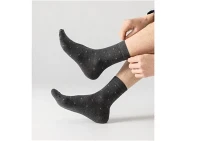
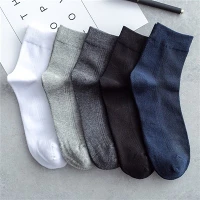
Men's Socks
Product overview
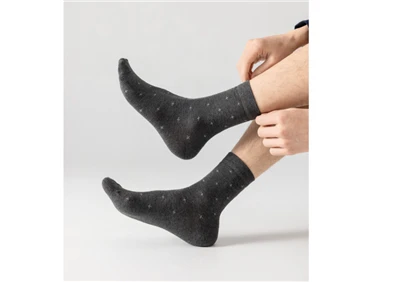
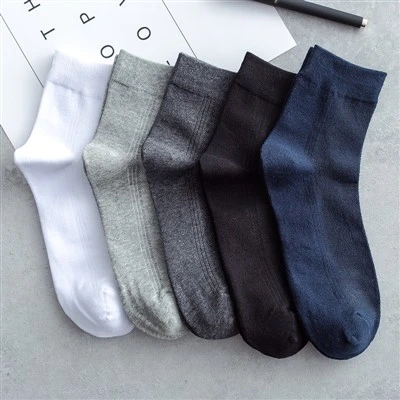
Men's socks for importers, distributors, retailers, and private label brands. Available in different yarn blends, knitting structures, sizes, and finishes for everyday wear, business use, sports, and cold-weather applications.
Product range: Athletic socks, dress socks, casual socks, and thermal socks.
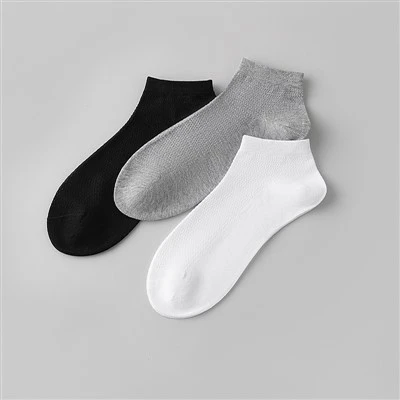
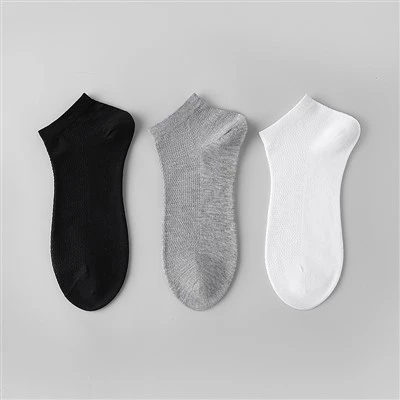
Customization: Yarn composition, colors, sock length, knitted patterns, logos, and retail packaging.
Bulk supply: MOQ, production lead time, and packaging options confirmed according to the selected style and order requirements.
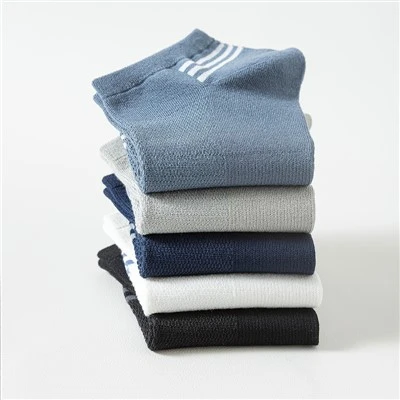
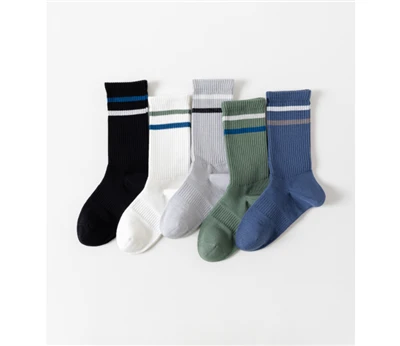

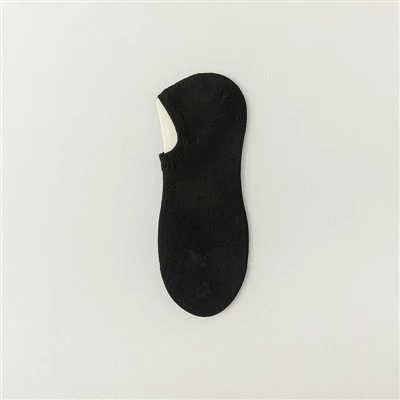

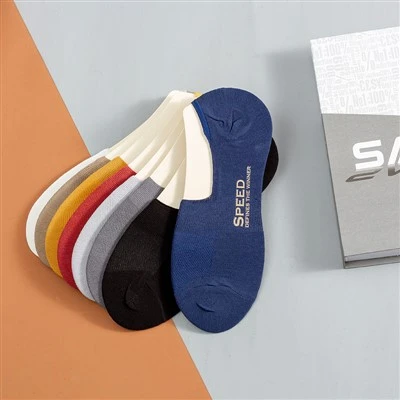


Sock types and applications
|
Sock type |
Typical applications |
Construction options |
Common material options |
|
Athletic socks |
Gym, training, running, and outdoor activities |
Terry cushioning, reinforced heel and toe, arch support bands |
Cotton, polyester, nylon, spandex |
|
Dress socks |
Office wear, business attire, and corporate uniforms |
Fine-gauge knitting, ribbed cuffs, smooth toe linking |
Mercerized cotton, nylon, spandex, viscose |
|
Casual socks |
Everyday wear, retail collections, and lifestyle brands |
Ribbed or patterned designs, different cuff heights |
Combed cotton, polyester, nylon, spandex |
|
Thermal and work socks |
Cold-weather wear, outdoor activities, and work boots |
Terry interiors, thicker cushioning, reinforced wear zones |
Wool blends, acrylic, cotton, nylon |
Construction and material combinations depend on the selected style, target market, and required specifications.
Materials and construction
Cotton and combed cotton
Common options for everyday and casual socks. Yarn selection affects softness, fabric feel, and moisture absorption.
01
Mercerized cotton
Used in selected dress socks where a smoother surface and a defined appearance are required.
02
Wool and wool blends
Available for thermal and outdoor sock designs. The wool percentage and blend structure can be adjusted according to the intended use.
03
Polyester, nylon, and spandex
Used in different combinations to support stretch, shape retention, and reinforcement in areas such as the heel and toe.
04
Knitting and finishing
Options include ribbed cuffs, terry cushioning, patterned knitting, reinforced heel and toe sections, and different toe-linking finishes, subject to style and machine capability.
05
Sizes and technical specifications
Standard size options
|
Size designation |
US men's shoe size |
EU shoe size |
|
Medium (M) |
6–8.5 |
38–41 |
|
Large (L) |
9–12 |
42–45 |
|
Extra Large (XL) |
12.5–14 |
46–48 |
Size ranges are indicative and should be confirmed against the manufacturer's actual size chart. Custom sizing can be discussed for private label orders.
Typical material compositions
|
Product type |
Example composition |
|
Athletic cushion socks |
75% cotton, 20% polyester, 3% nylon, 2% spandex |
|
Business dress socks |
70% mercerized cotton, 27% nylon, 3% spandex |
|
Thermal socks |
45% merino wool, 35% acrylic, 18% nylon, 2% spandex |
These are example formulations, not guaranteed standard specifications. Actual fiber composition depends on the selected yarns, product design, and order requirements.
Key specifications for quotation
|
Specification |
Available options or information to confirm |
|
Sock length |
No-show, ankle, crew, or other custom lengths |
|
Knitting structure |
Plain, ribbed, patterned, or terry construction |
|
Cushioning |
Non-cushioned, partial cushioning, or full terry cushioning |
|
Heel and toe |
Standard or reinforced construction |
|
Size range |
Target shoe sizes and approved size chart |
|
Fiber composition |
Required percentages and yarn blend |
|
Colors and patterns |
Standard colors, custom colors, or jacquard designs |
|
Labeling and packaging |
Brand labels, barcodes, belly bands, boxes, or polybags |
Final specifications should be confirmed in the approved product sheet and pre-production sample.

Private label development
Custom sock designs for retailers, wholesalers, distributors, and brand owners.
Color and pattern customization
Color matching, jacquard patterns, stripes, and other knitted designs, subject to available yarns and production capability.
Logo and branding
Knitted logos, selected embroidery options, labels, and other branding methods according to the sock structure.
Retail packaging
Custom belly bands, paper boxes, polybags, barcode labels, and hanging options based on buyer requirements.
Sampling
Pre-production samples can be arranged for design, sizing, material, and construction approval. Sample lead time should be confirmed according to design complexity and material availability.
Incoming material inspection
Yarn specifications, fiber composition, color, and relevant material documentation can be checked against purchasing requirements.
In-process inspection
Knitting defects, dimensions, pattern consistency, toe linking, and finishing are checked according to the agreed inspection plan.
Finished product inspection
Inspection criteria can cover appearance, size, workmanship, labeling, packaging, and agreed defect classifications.
Testing and documentation
Relevant test reports for fiber composition, colorfastness, pilling, dimensional changes, or restricted substances can be discussed according to the product and destination-market requirements.
Certification and audit requirements
OEKO-TEX Standard 100, BSCI audit status, and third-party testing documentation should be confirmed against current certificates, audit records, and their applicable scope before being stated as verified credentials.

Wholesale and bulk ordering
Minimum order quantity
MOQ depends on sock style, color, yarn selection, and customization requirements. Confirm the applicable MOQ for each style and colorway before ordering.
Production lead time
Bulk production timing is confirmed after specifications, materials, packaging, and the pre-production sample are approved.
Shipping options
Sea freight and air freight can be arranged according to the order volume, delivery destination, and required delivery schedule. FOB, CIF, or DDP terms are subject to the agreed quotation and destination.
Payment terms
Payment arrangements, deposit requirements, and balance payment timing are confirmed in the sales contract or pro forma invoice.
Frequently asked questions