Ladies socks come in a wide variety of styles, colors, and materials, and one important factor that often goes unnoticed is their thickness. As a ladies sock supplier, I've witnessed firsthand the diverse needs and preferences of our customers when it comes to sock thickness. In this blog post, I'll explore the different thicknesses of ladies socks, the factors that influence them, and how they can impact your comfort and style.
Understanding Sock Thickness
Sock thickness is typically measured in denier, which is a unit of measurement that indicates the fineness or thickness of the yarn used in the sock. The higher the denier, the thicker the sock. For example, a 10-denier sock is very thin and sheer, while a 100-denier sock is much thicker and more opaque.
In addition to denier, sock thickness can also be affected by the type of material used, the knitting technique, and the construction of the sock. For instance, socks made from natural fibers like cotton or wool tend to be thicker and more breathable than those made from synthetic materials like nylon or polyester. Similarly, socks with a tighter knit or a thicker sole will generally be thicker overall.
Different Thicknesses of Ladies Socks
There are several different thicknesses of ladies socks available on the market, each designed for specific purposes and occasions. Here are some of the most common thicknesses and their uses:
Sheer Socks (10-20 Denier)
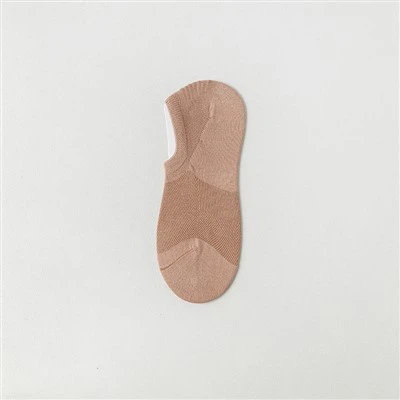
Sheer socks are the thinnest type of ladies socks and are typically made from nylon or a blend of nylon and spandex. They are often used for dressy occasions or when you want to wear a pair of shoes that show off your ankles. Sheer socks are also popular for summer wear because they are lightweight and breathable. Quality No Show Socks are a great example of sheer socks that are perfect for wearing with sandals or low-cut shoes.
Lightweight Socks (20-30 Denier)
Lightweight socks are slightly thicker than sheer socks and are often made from a blend of cotton and nylon. They are a good choice for everyday wear, especially in the spring and fall when the weather is mild. Lightweight socks are also comfortable to wear with sneakers or other casual shoes.
Medium-Weight Socks (30-50 Denier)
Medium-weight socks are thicker than lightweight socks and are often made from a blend of wool and nylon. They are a good choice for colder weather or for activities that require more support, such as hiking or running. Medium-weight socks are also comfortable to wear with boots or other closed-toe shoes. Over The Calf Crew Socks are a great example of medium-weight socks that are perfect for wearing with boots or leggings.
Heavy-Weight Socks (50+ Denier)
Heavy-weight socks are the thickest type of ladies socks and are often made from wool or a blend of wool and other fibers. They are a good choice for extremely cold weather or for activities that require a lot of warmth and support, such as skiing or snowboarding. Heavy-weight socks are also comfortable to wear with boots or other thick shoes.
Factors That Influence Sock Thickness
There are several factors that can influence the thickness of ladies socks, including:
Material
As mentioned earlier, the type of material used in the sock can have a significant impact on its thickness. Natural fibers like cotton and wool tend to be thicker and more breathable than synthetic materials like nylon and polyester. However, synthetic materials are often more durable and resistant to moisture, making them a good choice for activities that require a lot of movement or for wearing in wet conditions.
Knitting Technique
The knitting technique used to make the sock can also affect its thickness. Socks with a tighter knit or a thicker sole will generally be thicker overall. Additionally, socks that are made with a double-knit or a ribbed pattern will be thicker and more elastic than those made with a single-knit pattern.
Construction
The construction of the sock can also play a role in its thickness. Socks with a reinforced heel and toe will be thicker and more durable than those without. Additionally, socks that are made with a seamless construction will be more comfortable and less likely to cause irritation or blisters.
Impact of Sock Thickness on Comfort and Style
The thickness of ladies socks can have a significant impact on your comfort and style. Here are some ways that sock thickness can affect your overall experience:
Comfort
Thicker socks tend to be more comfortable in colder weather because they provide more warmth and insulation. However, they can also be more restrictive and may cause your feet to sweat more. On the other hand, thinner socks are more breathable and comfortable in warmer weather, but they may not provide enough warmth in colder temperatures.
Style
Sock thickness can also affect your style. Sheer socks are often used for dressy occasions or when you want to wear a pair of shoes that show off your ankles. Lightweight socks are a good choice for everyday wear, while medium-weight and heavy-weight socks are better suited for colder weather or for activities that require more support. Solid Color Crew Socks are a classic style that can be worn with a variety of outfits and are available in a range of thicknesses.
Choosing the Right Sock Thickness
When choosing the right sock thickness, it's important to consider the weather, the activity you'll be doing, and your personal preferences. Here are some tips to help you choose the right sock thickness:
Consider the Weather
If you're going to be wearing socks in cold weather, choose a thicker sock that will provide more warmth and insulation. If you're going to be wearing socks in warm weather, choose a thinner sock that will be more breathable and comfortable.
Consider the Activity
If you're going to be doing a lot of physical activity, choose a sock that provides enough support and cushioning. For example, if you're going to be running or hiking, choose a medium-weight or heavy-weight sock that will protect your feet from blisters and provide support for your ankles.


Consider Your Personal Preferences
Ultimately, the right sock thickness for you will depend on your personal preferences. Some people prefer thicker socks because they feel more comfortable and secure, while others prefer thinner socks because they feel more breathable and lightweight.
Conclusion
In conclusion, ladies socks come in a wide variety of thicknesses, each designed for specific purposes and occasions. As a ladies sock supplier, I understand the importance of choosing the right sock thickness for your comfort and style. Whether you're looking for a sheer sock for a dressy occasion or a heavy-weight sock for cold weather, we have a wide range of options to choose from.
If you're interested in purchasing ladies socks, please don't hesitate to contact us to discuss your needs and preferences. We're here to help you find the perfect socks for your lifestyle and budget.
References
- "Sock Thickness: What You Need to Know." Sock University, https://www.sockuniversity.com/sock-thickness/.
- "How to Choose the Right Socks for Your Activity." Runner's World, https://www.runnersworld.com/gear/a20848040/how-to-choose-the-right-socks/.
- "The Best Socks for Every Season." Real Simple, https://www.realsimple.com/style/beauty-fashion/accessories/socks-for-every-season.